Multiplayer Mastery: Navigating Hosting, Collaboration, and Technical Challenges in Satisfactory
- 0
Satisfactory’s multiplayer landscape offers a spectrum of Engaging experiences that captivate both casual visitors and devoted enthusiasts players seeking to expand their in-game production empires. Players can collaborate in real time as industrial setups grow in scale and complexity, making teamwork a critical element of success. Hosting options provide distinct pathways to maintain the world in which your factory adventures evolve, whether through direct peer-to-peer connections or more robust dedicated server solutions. Each option requires a particular set of considerations regarding ease of use, cost, scheduling, and technical demands. The diversity of these choices invites creative approaches to managing your in-game operations while sharing the experience with friends and like-minded enthusiasts.
Exploring the Foundations of Multiplayer Integration
Satisfactory’s multiplayer structure is crafted to support expansive, intricate factory designs by easing the workload through shared effort. The game introduces multiple hosting avenues that cater to various player needs. One of the simplest, the peer-to-peer mode, places the responsibility on the host’s availability. This option is ideal for spontaneous sessions and closely-knit gaming circles. However, it requires the host to always be available at agreed times, making it less convenient for players with varied schedules. The multiplayer integration is designed so that every session has a unique identifier, ensuring controlled access. These options extend beyond mere gameplay, establishing a framework where teamwork transforms industrial strategy into a collaborative achievement that enhances overall play.
Delving into Peer-to-Peer Connectivity Dynamics
The peer-to-peer mode in Satisfactory embodies accessibility and simplicity. Here, one player, who holds the current save, initiates the session, inviting friends either directly or through session IDs that ensure only approved participants can join. The ease of setup means that players can quickly jump into cooperative building and troubleshooting without navigating complex server configurations. The convenience of automatic session resets with each new game start fosters a vibrant yet transient environment where players experience a fresh start. The system emphasizes immediate social interactions, making it suitable for groups with closely aligned playing schedules. Integrated seamlessly into the game’s interface, peer-to-peer mode illustrates how networking can be as straightforward as sharing an invitation, thereby enhancing collaborative creativity.
Understanding the Intricacies of Self-Hosted Dedicated Servers
Satisfactory also caters to those seeking a more persistent and autonomous multiplayer experience through self-hosted dedicated servers. This method involves setting up a server on a personal or dedicated computer that remains operational and accessible independently of the hosting player’s schedule. It provides continuity, ensuring that friends can join the game world at any time, which is particularly useful for communities that play asynchronously. Though the server software is supplied with the game, configuring and maintaining it requires both technical acumen and patience, as it involves navigating network settings and potential restrictions imposed by internet service providers. This approach rewards its users with unrivaled control over game sessions, stability, and the flexibility to host larger groups without relying on the host’s constant presence.
Technical Insights and Setup Challenges with Self-Hosting
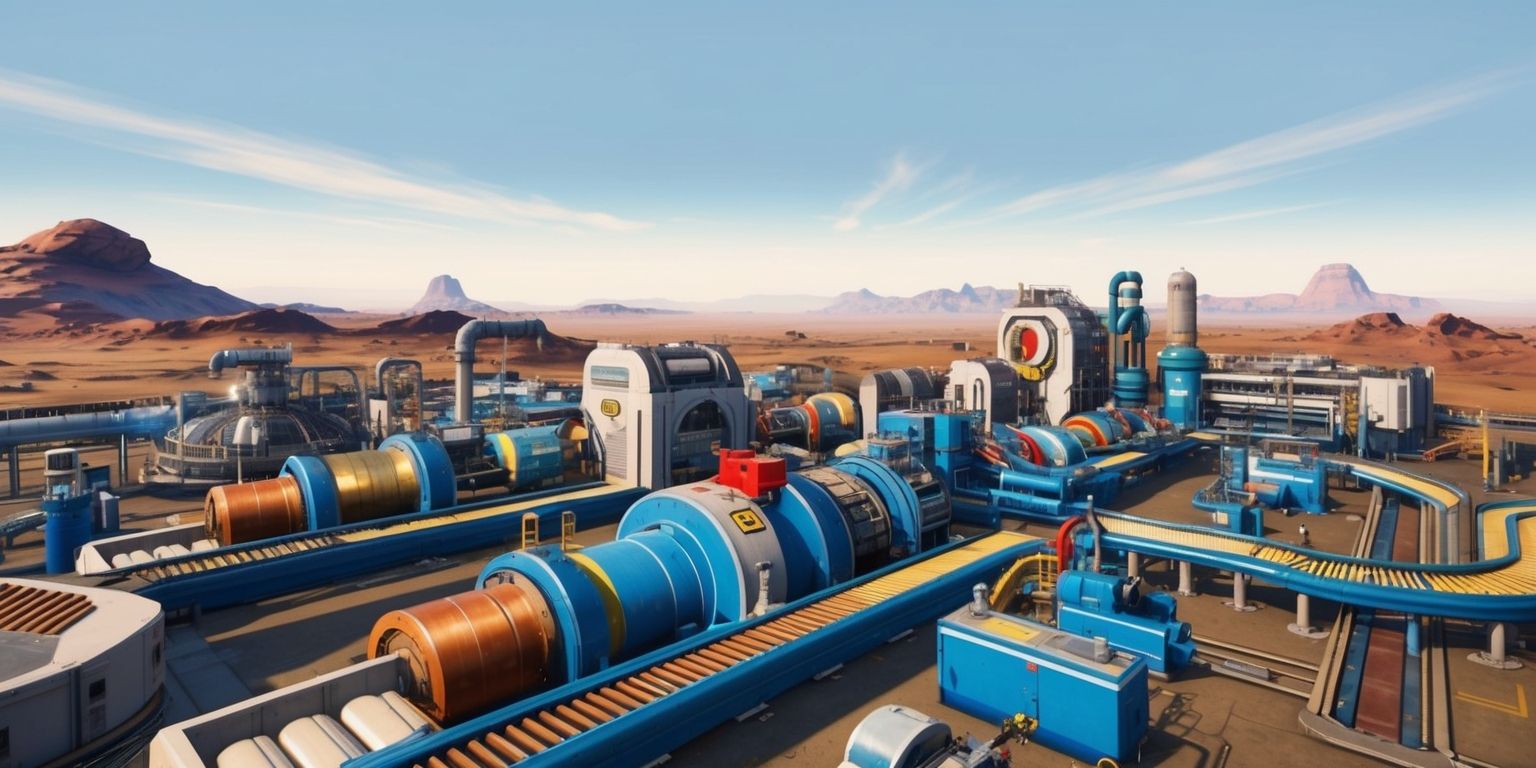
The technical journey of self-hosting a dedicated server in Satisfactory involves several crucial steps that not only test your networking proficiency but also expand your understanding of game management technologies. This process requires installing the server software, configuring port forwarding, and addressing any limitations set by your ISP regarding hosting activities. Each element of the setup process contributes to a stable environment where multiple players can convene at their convenience. The option is entirely cost-free aside from potential hardware costs and internet usage, making it an attractive yet challenging endeavor for players interested in a more self-reliant system. The experience of configuring and troubleshooting enhances player engagement beyond typical gameplay. It molds a community of self-sufficient gamers who exchange insights and support on technical forums and in-game chats.
Examining the Rented Dedicated Server Option
For many players, the rented dedicated server solution provides an appealing balance between convenience and control. Unlike the self-hosted approach, renting a server means relying on external hardware maintained by a service provider, which offers advantages such as professional support and consistent performance. Although this route comes with a monthly fee, typically starting around a modest sum, the investment contributes to enhanced reliability and easier access control management. This solution is well-suited for groups who may not have the available hardware or desire to pursue intricate network configurations while still reaping the benefits of a persistent server. The variety of providers available in the market ensures that players with diverse budgets and performance requirements can find a service that meets their needs without enduring extensive setup challenges.
Session Identification and Access Control Mechanics
At the heart of Satisfactory’s multiplayer system lies an innovative session identification mechanism that underpins both peer-to-peer play and server hosting options. Every game session is assigned a unique ID, which functions as a digital passport for players seeking entry. This approach allows for smoother management of privacy settings, whether you wish to create a private enclave for a select group or allow friends to join freely through predetermined access. The dynamic nature of session IDs resets at the start of each new game, ensuring that previous configurations do not overlap with future sessions. This system not only streamlines joining procedures but also enhances game security. By relying on individualized identification codes, each host can confidently extend invitations while maintaining control over participation, thereby balancing openness with disciplined access control.
Impact of Hosting Preferences on Cooperative Gameplay
The selection of a hosting method considerably influences the way players interact within Satisfactory’s co-op framework. Peer-to-peer sessions cultivate a more spontaneous, ad hoc meeting environment, where play is organized around the availability of a single, dedicated host. Meanwhile, dedicated server options—either self-hosted or rented—provide a continuous and reliable game world that can draw in players from different time zones or play schedules. The decision between these options reflects a broader negotiation over community dynamics and player engagement strategies. The immediate nature of peer-to-peer sessions appeals to those seeking short bursts of cooperative building momentum, whereas dedicated servers encourage long-term communal projects with persistent progress and sustained activity levels. Each route defines a unique social contract among players, shaping both technological and emotional investments in the gaming experience.
Participatory Aspects and Scheduling Considerations
In an environment like Satisfactory, where industrial progress is interwoven with social interaction, scheduling becomes a pivotal element in multiplayer sessions. Peer-to-peer games, while easy to initiate, depend entirely on the host’s availability for progress to occur, making them highly dependent on the synchronization of schedules among friends. Dedicated servers, by contrast, offer continuous access regardless of individual online status, which suits groups with varied time commitments or differing gaming routines. As players negotiate when and how to engage with the game world, each hosting choice shapes the community’s rhythm. This dynamic pushes players to consider not only the technical aspects of hosting but also the human element of shared decision-making and planning—a factor that greatly influences the overall cohesion and enjoyment of the collaborative building process.
Balancing Technical Demands and User Experience
The multifaceted nature of multiplayer hosting in Satisfactory underscores a broader theme of balancing advanced technical demands against an enjoyable user experience. The peer-to-peer model reflects a scenario where minimal setup allows players to focus on in-game creativity, leaving technical considerations to the background. In contrast, dedicated server solutions, whether self-hosted or rented, involve an upfront investment of time and technical expertise, promising benefits that include uninterrupted game continuity and a broader canvas for collaboration. These divergent methodologies illustrate a spectrum where simplicity meets complexity. By having a variety of hosting options, Satisfactory Caters to an eclectic mix of gamers—from those who thrive on immediate interaction to enthusiasts who relish the challenge and reward of managing their own persistent game environment.
Economic Considerations and the Value of Investment
When players dive into Satisfactory’s multiplayer features, a key decision lies in selecting a hosting An approach that accommodates both their financial constraints and desired gaming experience. The peer-to-peer and self-hosted options, which incur no additional costs beyond existing hardware and internet connectivity, stand in contrast to rented dedicated servers that require recurring fees. This economic consideration is more than just a fiscal choice; it represents a strategic investment in the community’s infrastructure. For groups committed to sustained collaboration, the modest monthly fee for a rented server can translate into a more stable, accessible, and supportive environment. Such an approach highlights the interplay between financial outlays and the qualitative benefits of reliable session management, where the cost is weighed against the augmented gaming experience and enhanced player participation.
Creative Aspects in Multiplayer Gameplay
Beyond the technical and economic dimensions, the multiplayer experience in Satisfactory is deeply infused with creative possibilities that allow players to jointly navigate challenges and explore inventive solutions to production dilemmas. Collaborative gameplay in a high-stakes factory world can lead to ingenious strategies for optimizing production lines, shared problem-solving, and innovative measures to overcome logistical obstacles. The choice of hosting—notably whether through spontaneous peer-to-peer sessions or continuous dedicated servers—affects the creative flow of the game. The way players coordinate, exchange resources, and adapt their designs contributes significantly to an immersive and engaging experience. Multiplayer sessions become a canvas for artistic and technical expression, where every joint endeavor further enriches the tapestry of collaborative creation that is at the heart of Satisfactory's design.