Nvidia Delays Next-Gen GPU Debut to 2028 Amid Shifting AI Priorities
- 0
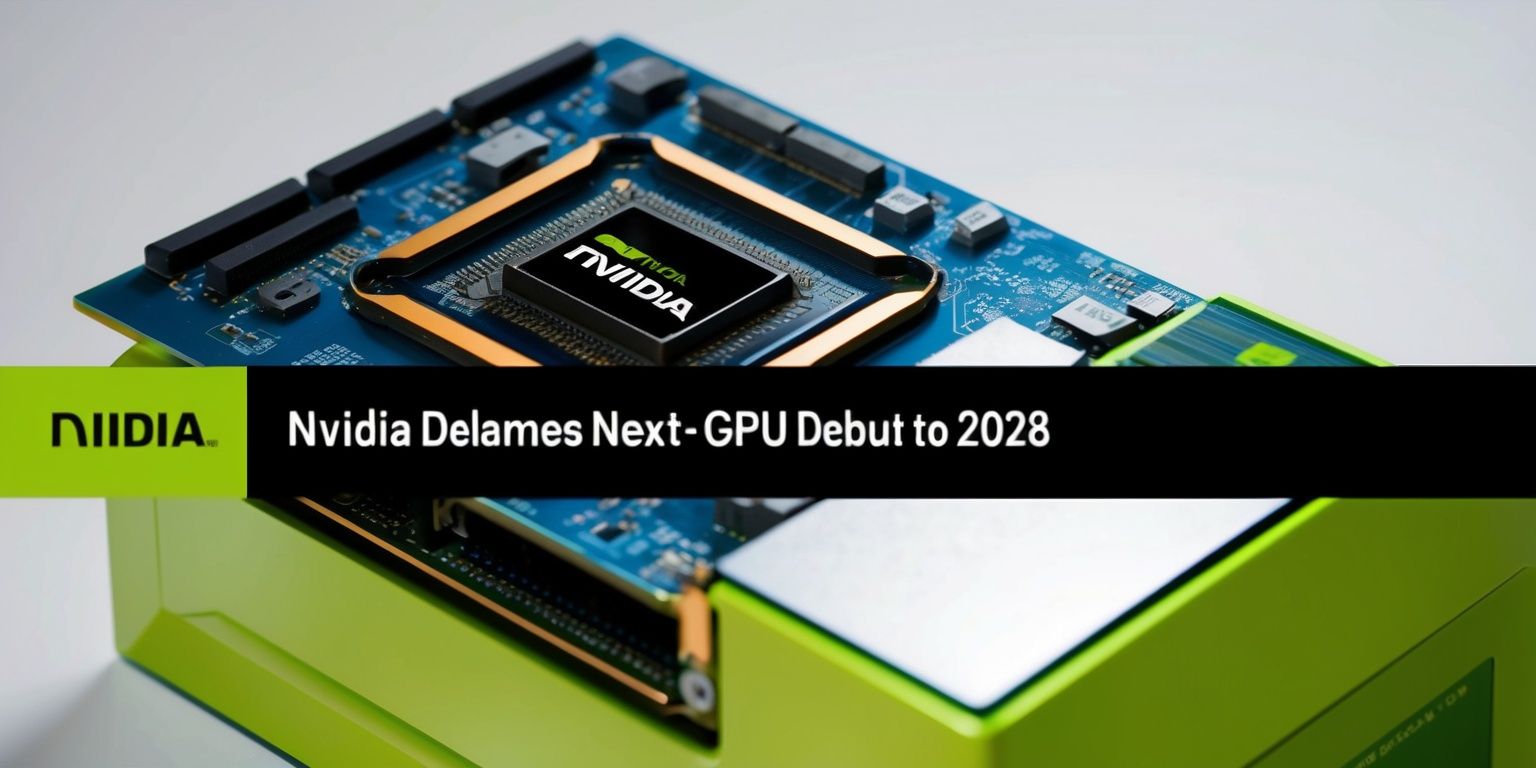
The latest excitement in the tech industry revolves around… Nvidia’s upcoming graphics cards, with rumors coming from a well-known insider that the launch could be postponed to a later time than originally expected. Enthusiasts had expected a follow-up to the RTX 5090, which is set for a major showcase in 2025, but emerging reports now suggest a different timeline.
Nearly two years after the anticipated debut of the RTX 5090 at CES 2025, the natural expectation was for the company to roll out its next generation at CES 2027. Yet, the current narrative indicates that plans might not proceed as originally intended.
Leaked details imply that the upcoming series, believed to be built on the Rubin architecture, has been deferred until 2028. This is not the first instance of such delays; earlier in the year, there were reports that the mid-generation Super upgrade was scrapped due to heightened demand for GPUs and memory in artificial intelligence data centers.
Community members remain hopeful that key decision-makers will soon respond to the growing passion for improved solutions in the gaming arena. Disappointed voices have noted that with each delay, the wait for products specifically designed for gaming continues to extend.
It is crucial to recognize that speculation about Nvidia’s future releases is widespread. Recently, a respected tech commentator pointed to confidential sources within the company, suggesting a potential launch for the Rubin-based models in the first half of 2027. Both forecasts call for cautious consideration, yet a shift to 2028 might be more in line with current market realities—especially given that the flagship RTX 5090 has already seen prices surge from its launch price last year.
Recent market conditions have left many graphics cards They are now substantially pricier than they were one year ago ago. In addition to the rising price of the RTX 5090, the persistent shortage in memory and other components has contributed to an environment where next-generation products might come with a hefty cost tag.
Nvidia has also adjusted how it presents its product categories in financial disclosures by merging traditional consumer offerings with segments like Edge Computing and robotics. In the latest quarterly report, there was little mention of the gaming category, with the focus firmly on robust returns from artificial intelligence initiatives. This reorganization suggests that immediate consumer releases are not the company’s top priority at the moment.
While the coming months might still hold surprises for gamers and tech fans alike, current indications point towards further enhancements in software rather than a dramatic leap in hardware innovations. The industry will be vigilantly monitoring for any indications that could reshape expectations for future launches.
- Next-generation cards, presumed to be based on the Rubin architecture, are now expected in 2028.
- Earlier reports had hinted at a cancellation of the mid-cycle upgrade amid rising demand in AI sectors.
- Conflicting leaks suggest alternative launch dates, but the possibility of a delay fits the current trend.
- Market factors such as increased component costs have already driven up prices considerably.
- Nvidia’s strategic focus appears to be shifting away from immediate consumer releases toward leveraging AI and advanced computing sectors.