AI-Driven Diagnostics: Transforming Console Maintenance and Privacy Perspectives
- 0
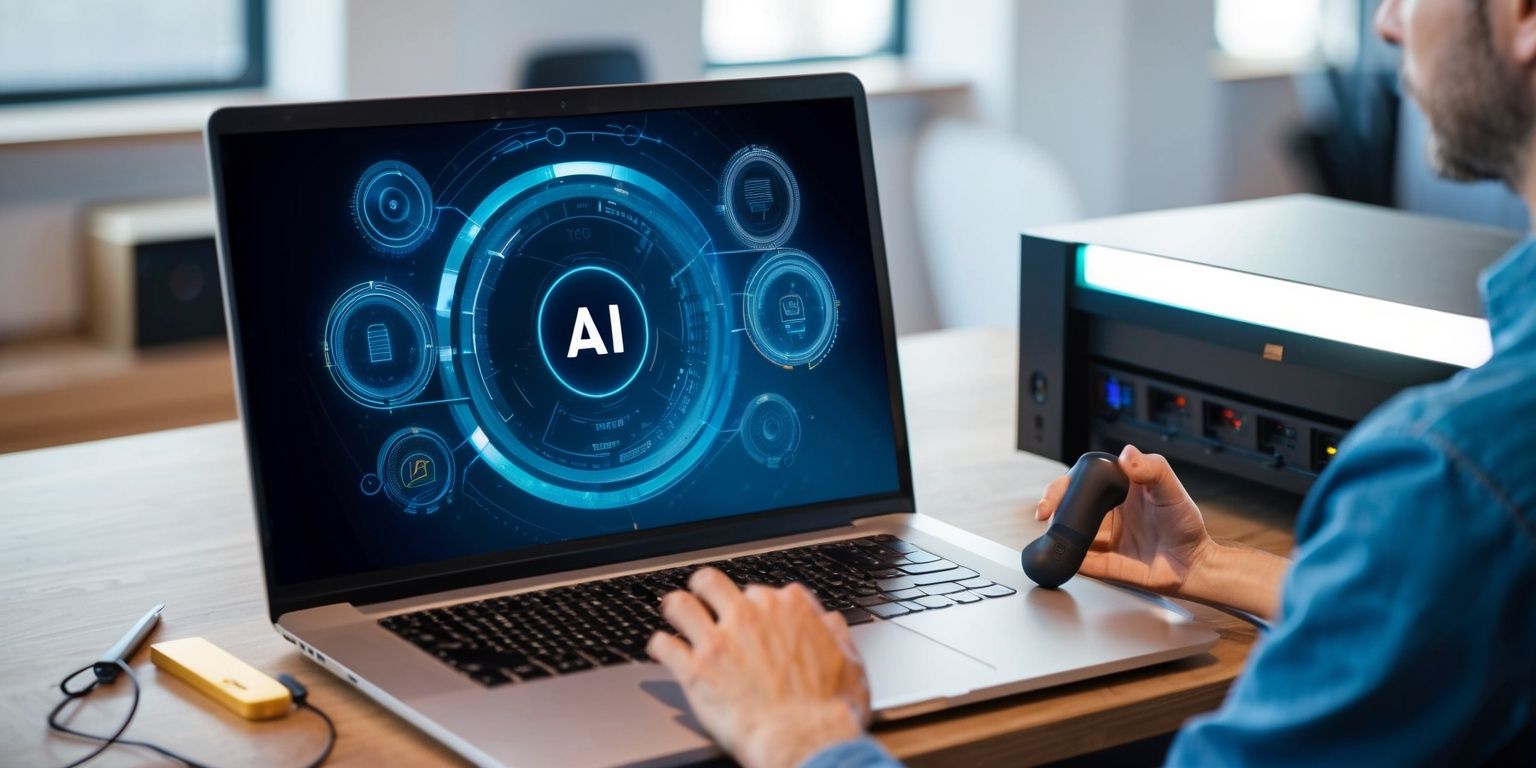
A new innovation in console maintenance has emerged that could revolutionize how system glitches are addressed. A major gaming company is exploring a method using artificial intelligence to constantly monitor the performance of its devices. The approach aims to detect early warning signals and automatically generate corrective updates, potentially eliminating the need for traditional troubleshooting.
This technology would observe hardware and software operations in real time, searching for anomalies that indicate potential trouble. By using a sophisticated language processing framework to draft updates, it might either preempt issues or alert technical teams to intervene. However, since the system would likely require comprehensive access to device data, users might face concerns about privacy and data monitoring.
An automated system such as this also introduces the possibility of minor issues becoming magnified. Experts have noted that without strict controls, a small malfunction could trigger a chain reaction, leading to larger, unintended complications. Modern consoles, being complex computing devices, have previously experienced instances where well-intentioned fixes worsened the initial problem.
There is also the chance that the underlying artificial intelligence might err when generating on-demand updates due to limitations in its training or safeguards. If the programming framework does not perform flawlessly, it could accidentally render a device nonfunctional. Such risks underscore the importance of implementing robust checks and carefully planned operational boundaries.
As plans for next-generation systems progress, the shift away from physical media and towards always-on Internet connectivity lays the groundwork for these advanced features. With constant communication between devices and central servers, deploying an AI support agent becomes a more viable prospect. Developers are expected to refine the technology further to address inherent logistics and privacy challenges before full-scale implementation.
- Continuous system monitoring detects potential issues early
- An advanced language model creates timely corrective updates
- Full system access is required, heightening privacy considerations
- Safeguards must be in place to prevent minor errors from escalating