Immersive Warfare in Vietnam: A Tactical Odyssey Through Hell Let Loose Battlefield
- 0
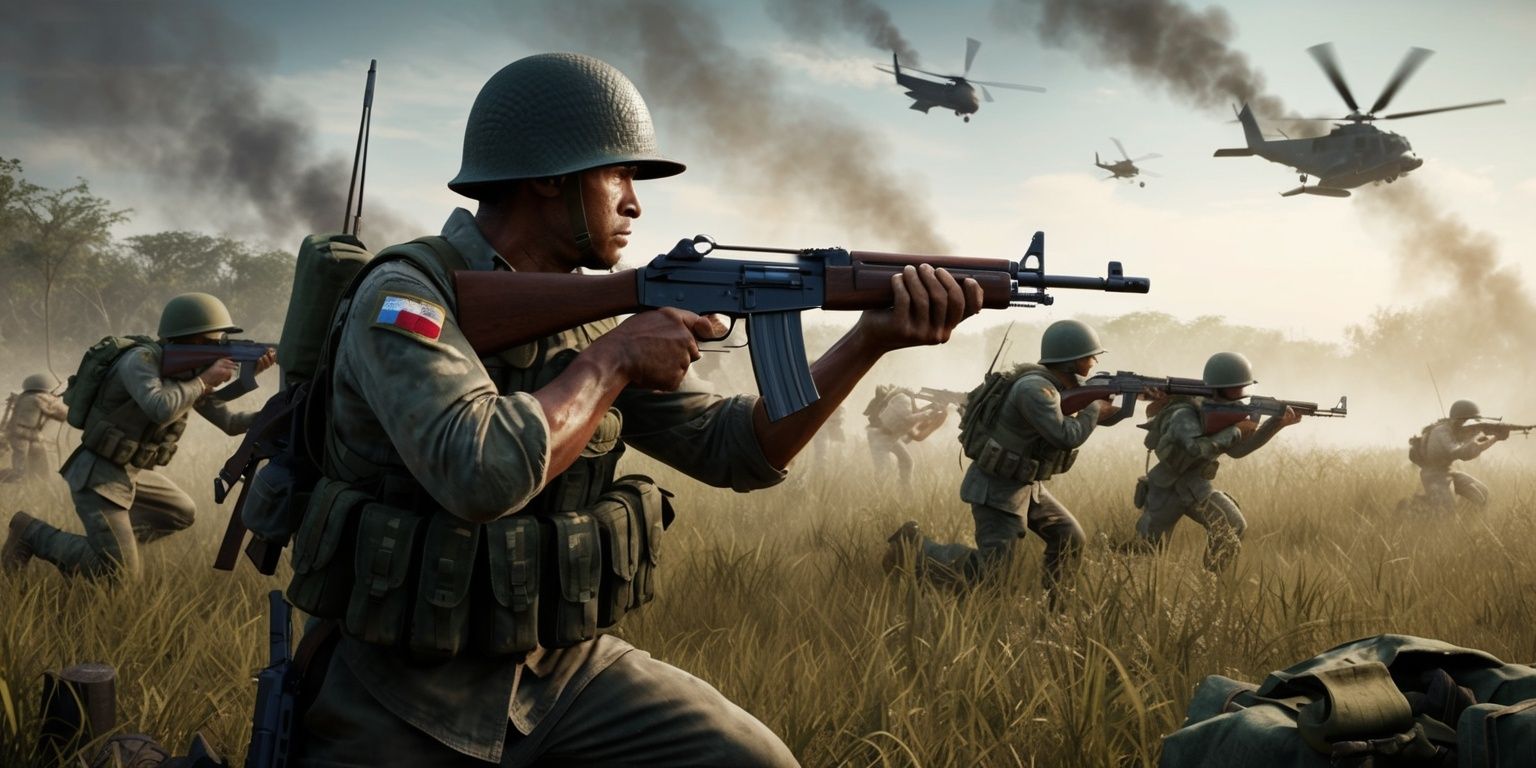
The immersive experience of Hell Let Loose: Vietnam immediately draws players into a sprawling, tension-fueled simulation of warfare in Southeast Asia. The game’s design revolves around realistic combat scenarios, intricate maps, and a culture of constant communication, which demands precision and teamwork. Navigating extensive jungle landscapes, players must interact and coordinate with fellow soldiers to overcome challenges "which are equally grounded in strategy as they are in" reflexes. The setting is rich in historical flavor yet layered with modern gameplay mechanics, pushing players to balance individual actions with collective operations, all while being enveloped "set in a locale that captivates with its awe-inspiring beauty and" perilous.
Expansive Battlegrounds and Realistic Landscapes
Hell Let Loose: Vietnam presents vast, meticulously crafted terrain that stretches from dense jungle undergrowth to open rice paddies and rugged villages. Each map is an expansive battleground where every inch of the land serves as a potential cover or a trap for unwary soldiers. The game’s These settings are meticulously crafted with acute attention to… realism, featuring prominent geographical features such as the monumental Thanh Hóa Bridge and the varied elevations of industrial zones near Huế Outskirts. Navigating these detailed maps is a challenge in itself, since players are required to remain constantly alert to the natural obstacles and the unpredictability of the jungle. The varied terrain not only tests combat skills but demands advanced situational awareness, turning every encounter into a balanced mix of stealth, strategy, and swift tactical decision-making.
Relentless Emphasis on Vocal Coordination
In Hell Let Loose, clear and efficient communication is the cornerstone that drives every tactical maneuver: Vietnam, distinguishing it from typical shooters where casual chatter is optional. In this game, modern voice chat is a critical tool that players must wield to coordinate complex strategies in real time. Whether you're relaying enemy positions or directing teammates to a strategic advantage, verbal interaction is not merely a convenience—it’s essential for survival. This emphasis on vocal communication creates an intense and authentic battlefield atmosphere where every call can shift the tide of combat. The necessity of clear, direct speech encourages players to sharpen their communication skills, transforming each match into an exercise in teamwork and rapid tactical planning. As a result, even routine maneuvers carry weight, making every word spoken a potential game changer.
A Subtle Contrast: Gentle Puzzles Versus Uncompromising Tactics
While Hell Let Loose: Vietnam shares surprising similarities with lighter, more relaxed titles such as Big Walk, its approach is markedly different in tone and execution. The comparison reveals a fundamental dichotomy: one game eases players into interaction with gentle, engaging puzzles and a friendly competitive spirit, while the other enforces communication under high stakes. In Vietnam, the environment itself is a relentless taskmaster, demanding adherence to tactical protocols or risking swift and decisive in-game punishment. The game’s design sets up a scenario where hesitation or miscommunication can have dire consequences, ensuring that every action is laden with tension. Consequently, players must evolve from casual participants into dynamic strategists who are ready to adapt and communicate under pressure with unyielding focus.
Intricate Strategic Frameworks and Command Hierarchies
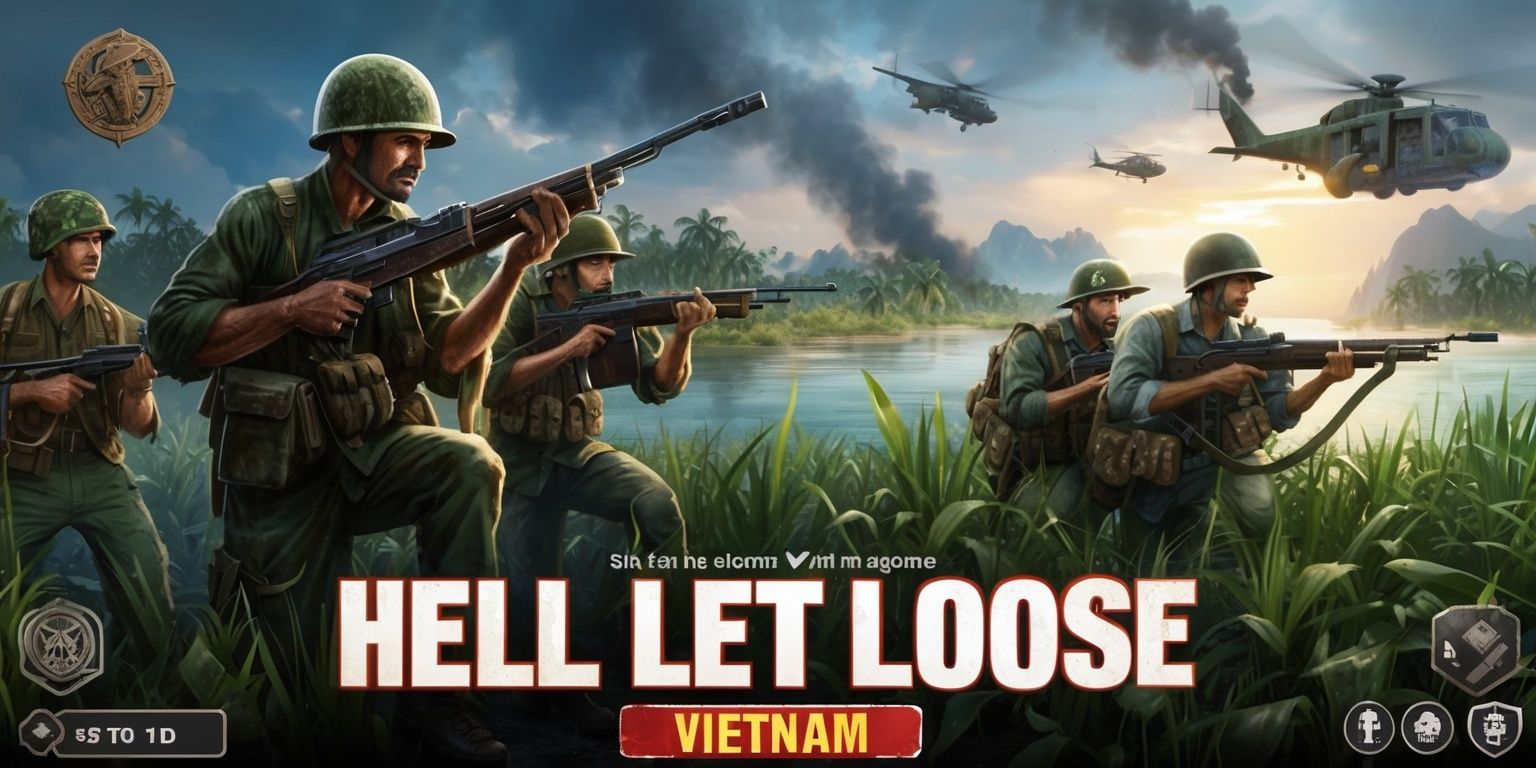
The game is built around a sophisticated command structure that reinforces the importance of leadership and discipline in every skirmish. Teams are organized into small units managed by squad leaders, whose tactical calls, such as establishing spawn points and coordinating supply drops, are vital to sustaining momentum. Each faction is supported by a Commander role tasked with orchestrating large-scale maneuvers and deploying assets like air support or additional reinforcements. This level of organization creates an immersive environment where decisions at every level have a tangible impact. The rigid hierarchy not only adds depth to the overall gameplay but also fosters a sense of responsibility among players. Every command and counter-command becomes a critical element in the delicate balance between offensive maneuvers and defensive regrouping.
Diverse Roles and Asymmetrical Faction Capabilities
Hell Let Loose: Vietnam distinguishes itself through the incorporation of asymmetrical faction design, which is both a nod to historical authenticity and a creative gameplay twist. The varied capabilities across factions introduce elements that challenge players to rethink conventional tactics. For example, one side enjoys the advantage of rapid aerial support with helicopters, while the opposing force compensates by developing intricate networks of underground tunnels for swift redeployment. In addition to these faction-specific strengths, players assume specialized roles such as medics or grenadiers, each critical to their group’s operational success. This diversity in roles and capacities encourages varied tactical approaches on the fly, ensuring that no two engagements are ever identical. The faction dynamics require both strategic foresight and inventive thinking, thereby enriching the overall combat experience.
Environmental Intricacies and the Perils of the Jungle
The jungle environment in Hell Let Loose: Vietnam Far from serving merely as a background—it functions as a dynamic, living challenge that heavily influences combat strategy. Dense vegetation and tall grasses obscure enemy movements, forcing players to rely on keen auditory cues and acute attention to detail. This level of concealment means that every step, every rustle in the underbrush, can signal the presence of an unseen adversary. As players navigate these natural labyrinths, the tension is palpable, with the possibility of stumbling upon enemy positions at any moment. The environment amplifies the need for cautious yet assertive maneuvers and transforms even routine patrols into heart-pounding encounters. The jungle’s deceptive calm conceals constant hazards, ensuring that players are always alert, with every decision carrying the potential for dramatic consequences.
Immersive Realism and Authentic Combat Scenarios
Delving deep into the mechanics of Hell Let Loose: Vietnam, one cannot help but appreciate the game’s commitment to authenticity over spectacle. Each encounter is simulated with a realistic touch, where distant adversaries often require squinting to be seen and rapid movements can quickly become perilous. The interplay between expansive maps and the realism of soldier movement means that players must balance speed with caution. The absence of overly flashy indicators like hit markers reinforces the immersive quality, relying instead on subtle audio and visual signals to communicate the results of combat. This deliberate design choice may challenge those accustomed to more immediately gratifying feedback, but it ultimately enhances the experience by urging players to directly engage with the gritty reality of battlefield dynamics. In this setting, every action is measured, where tactical patience often outweighs brute force.
Complexity in Tactical Deployment and Replay Dynamics
The strategic layout of each map provides a fertile ground for creative tactical deployments that keep every match feeling unique. Whether players are initiating an offensive by establishing forward spawn points or setting up defensive positions at critical choke points, the game’s scale allows for a myriad of approaches. The wide-open sightlines mixed with close-quarters skirmishes compel teams to balance long-range coordination with the immediacy of point-blank confrontations. This duality in combat experiences pushes players to adapt continuously, often leading to unexpected twists in gameplay. Engaging with the map’s complex design means understanding that every element—be it an industrial area with high ground or a narrow bridge spanning a river—can dramatically alter the strategic landscape. This encourages teams to innovate tactically with each play, keeping the action fresh and unpredictable.
Refined Audio-Visual Integration for Enhanced Engagement
The sensory experience in Hell Let Loose: Vietnam has been painstakingly designed to transport players into an intense and believable atmosphere. The sound design plays a pivotal role, with ambient noises such as the hum of helicopters overhead, the distant rumble of artillery, and the rustle of leaves in the jungle all contributing to a sense of palpable tension. The visual aesthetics, while prioritizing realism over bombastic effects, manage to capture the chaos and beauty of the wartime environment. This careful integration of sound and visuals not only enhances the game’s immersive experience but also plays a pivotal role element in gameplay, where subtle cues can signal the approach of an enemy or the impact of a distant explosion. This creates a space teeming with diverse sensory stimuli that… challenges players to rely on more than just sight, thus deepening the tactical experience with each immersive moment.
Engagement Through In-Game Narratives and Spontaneous Action
Within this game, every battle unfolds as a vivid narrative, shaped by both the grand strategic decisions and the spontaneous moments that arise from individual actions. Players find themselves part of a living story where alliances are forged and broken in real time, and every skirmish adds to a larger tapestry of conflict. The absence of scripted sequences means that the unfolding drama is entirely emergent, driven by the unpredictable interactions between dedicated team members and opportunistic adversaries. This organic storytelling invites players to form memorable experiences, as every encounter is unique and fraught with risk. Whether navigating a chaotic urban landscape or confronting an enemy in the thick underbrush of a jungle, the sense of immediacy and consequence is ever-present, ensuring that each player contributes to a dynamic, evolving narrative that feels both personal and momentous.
Balancing Intensity with the Challenges of Online Interaction
The intense, high-stakes environment of Hell Let Loose: Vietnam is accompanied by the inherent challenges that come with online multiplayer interactions. Engaging with a diverse array of players means that communication may have both benefits and drawbacks. Whereas when applied effectively,-coordinated teams experience the exhilaration of synchronized maneuvers and pinpoint tactical execution, the variability in player behavior can also lead to friction. The game’s reliance on voice communication places its community at the forefront, where cooperation is essential yet sometimes marred by disruptive interactions. This dynamic draws attention to the importance of robust in-game moderation tools and fostering a culture of respect among players. The unforgettable experiences often come from moments when teams overcome these hurdles, turning potentially chaotic exchanges into harmonized efforts that capture the unpredictable essence of modern онлайн combat.